Has LockBit ransomware encrypted your data? If so, it may be an emergency, but it’s important to stay calm. Learn more about the Lockbit ransomware, decryption, recovery, removal and statistics.
You can also contact our awesome emergency response team of cybersecurity ransomware data recovery experts 24/7 and get a FREE and immediate assessment of the damages.
We handle cases for all sizes of organizations, worldwide. All operations are managed remotely by our team of highly specialized technicians. We can help you in recovering your data through a fast and efficient ransomware removal and remediation process.
What should I do if and when my data has been encrypted by Lockbit?
Disconnect your system from the network immediately. For more details, please visit our contact us.
It is better NOT to talk with the attackers, as they are skilled at taking advantage of inexperienced negotiators.
Report the crime to the relevant law enforcement authorities.
Ensure that the affected machine is shut down. If left on its own, Lockbit may continue encrypting your data in the background.
Talk to the experts.
lockbitdecryptor is a licensed and registered Cyber Security firm and we’re here to help you with Lockbit ransomware removal. We have lots of experience in this field, so we know how difficult this situation is. Thanks to our expertise and knowledge, we can recover 100% of your encrypted data in the vast majority of cases.
Lockbit uses military grade encryption technology to hold your organization hostage. Any attempts at recovering the data with a quick fix are unlikely to work. lockbitdecryptor is Europe’s leading ransomware recovery firm, and we can help you get back online as quickly as possible.
Keep calm! Contact us now for a consultation and learn about your options!
The groups that operate Lockbit ransomware are known for targeting large organizations. The gang is known to customize ransom demands based on the annual revenue of their victims.
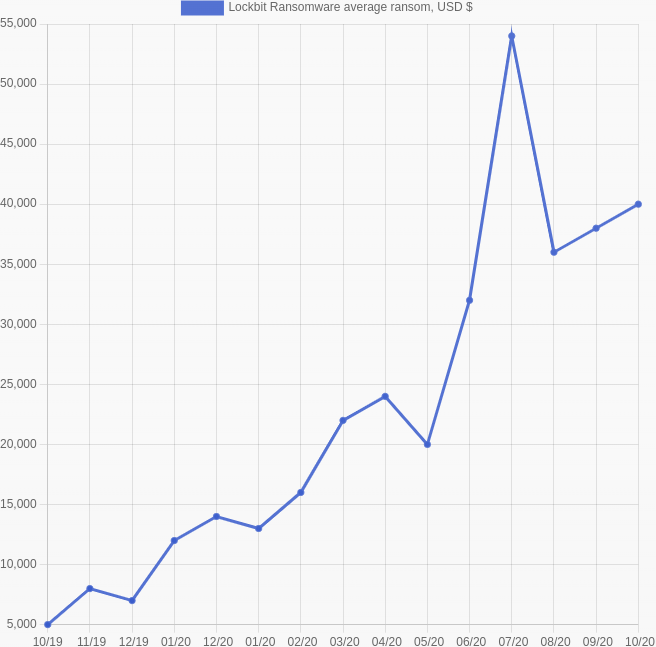
The average Lockbit ransom amount is somewhere around $33,000. Ransoms are usually paid in Bitcoin. Most quick-buy methods of purchasing Bitcoin via methods like PayPal or credit card will also apply a fee of up to 10%.
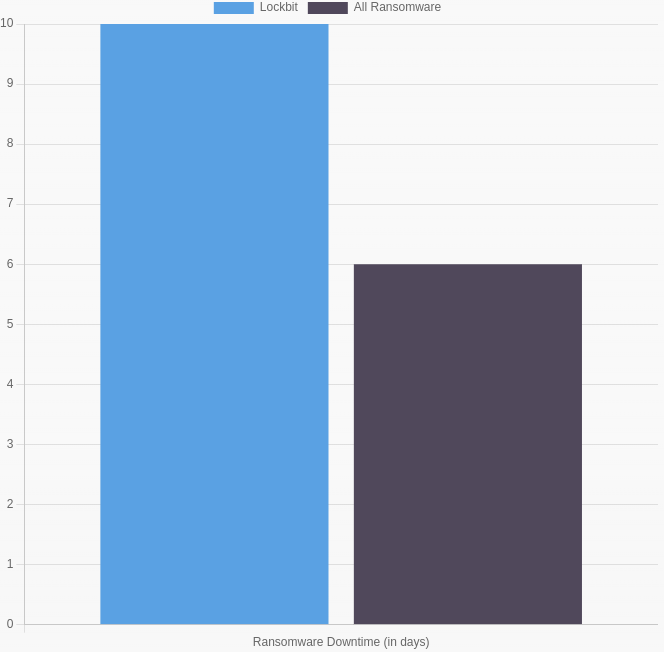
Downtime resulting fromLockbit ransomware is often longer than with normal ransomware attacks. The manual process of communicating with the attackers can further delay response time.
For many organizations, downtime is the most expensive part of a ransomware incident. Another negative side effect of a data breach can be damage to your reputation.
Your goal should be to get your systems back to a productive state as soon as possible. The best way to do this is to call in experts who know the ins and outs of Lockbit ransomware to complete the removal and restoration process immediately.
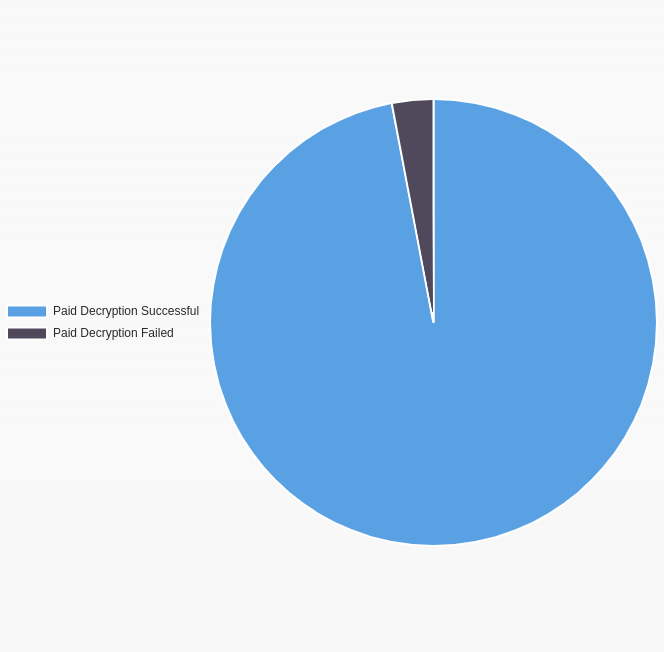
In our experience, a successful ransom payment usually results in getting a working Lockbit decryptor. Decryptor tools do take work to maintain, however, so not all attackers have working tools.
It’s important to know which gang you are dealing with. Some attackers are careful to maintain a good reputation, and always provide working Lockbit decryptors. Others are known to be scammers, and will never provide a decryptor after receiving payment.
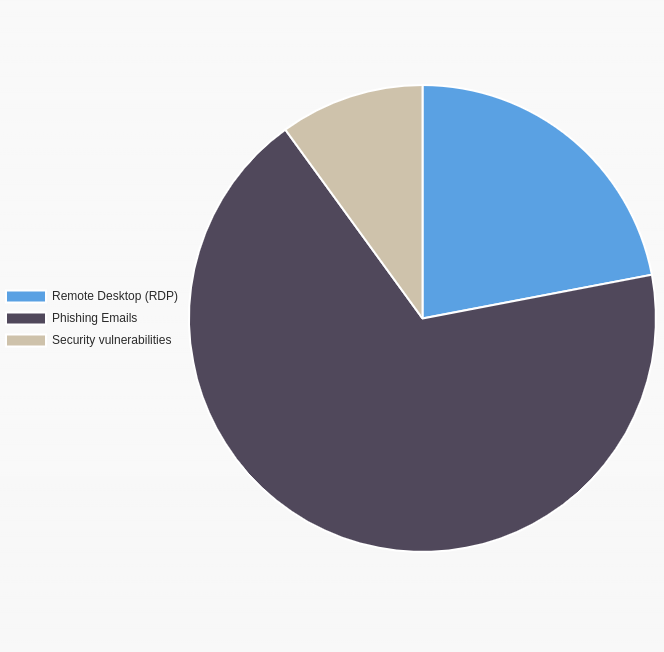
The most common attack vector for Lockbit ransomware is phishing.
LOCKBIT RANSOMWARE SUMMARY
Name
Lockbit Virus / Lockbit Ransomware
Danger level
Very High. Advanced Ransomware which makes system changes and encrypts files
Release date
2019
OS affected
Windows, Vmware esxi server, Mac, Linux
Appended file extensions
.HLJkNskOq .lockbit .fxkJts2wg
Ransom note
“Restore-my-files.txt”, “
Known scammers
none
Recover Your Files Immediately with Our LockBit 5.0 Ransomware Decryptor
Discovering that all your files have been encrypted by LockBit 5.0 ransomware and now end in a long, unfamiliar extension such as .Qw85NsD1yLf27KgM is one of the most severe situations an organization can face. LockBit 5.0 represents a highly advanced generation of ransomware engineered to infiltrate networks silently, bypass authentication layers, extract confidential information, disable backup systems, and encrypt essential data across servers, workstations, and virtual infrastructures in a matter of minutes.
The attackers rely on a carefully structured psychological strategy designed to push organizations toward rapid payment: tight deadlines, warnings against seeking outside help, and threats of data leaks. Despite the pressure, your encrypted data is not beyond recovery.
Our dedicated ransomware recovery specialists have developed a LockBit 5.0-specific decryptor and forensic reconstruction system capable of restoring encrypted files without negotiating or paying the attackers. By analyzing the internal structure of encrypted files, correlating them with ransom note identifiers, and performing controlled restoration in a secure cloud environment, we can safely retrieve critical data while avoiding the liabilities associated with ransom payments.
With more than twenty years of international experience handling complex ransomware incidents, we help organizations restore operations while reducing financial exposure, regulatory risk, and long-term security consequences.
LockBit 5.0 is generated through an advanced builder platform that produces customized payloads for each victim. Its lineage can be traced to the LockBit 3.0 Black and LockBit 4.0 “Green” builders, but LockBit 5.0 introduces deeper obfuscation, broader platform reach, and more refined anti-analysis mechanisms.
Our engineering team has dissected various LockBit builder generations, enabling us to understand how the ransomware produces per-file symmetric keys, how it wraps those keys in asymmetric encryption layers, how it embeds victim identifiers, and how it restructures file headers during encryption. This research forms the foundation of our decryptor, allowing us to mirror LockBit’s logic and reconstruct data where technical conditions permit restoration.
All recovery attempts take place inside a secure cloud environment that is fully isolated from your compromised systems. This architecture prevents any remnants of ransomware from interacting with your production network and eliminates the risk of reinfection. Every action—from file intake to final validation—is logged for auditing and forensic transparency.
This forensic-grade sandbox gives us complete control over the recovery process and ensures that returned data has passed comprehensive structural and functional integrity checks.
Fraud Risk Mitigation
Before undertaking recovery, we conduct an in-depth diagnostic evaluation. You provide us with:
• Several encrypted files (ex: files ending with .Qw85NsD1yLf27KgM) • The complete LockBit 5.0 ransom note • The unique authentication key listed inside the note
Using these components, we confirm whether the infection is a LockBit 5.0 variant, analyze encryption consistency, and determine whether the data is reconstructable. This essential step prevents victims from relying on unverified tools or fraudulent services that often cause additional corruption or data loss.
Step-by-Step LockBit 5.0 Decryption & Recovery Guide By Using Our LockBit 5.0 Decryptor
Step 1: Assess the Infection
Confirm that your files now end with a long random extension—such as .Qw85NsD1yLf27KgM—and that a ransom note has appeared inside affected directories. These elements together strongly indicate LockBit 5.0.
Step 2: Secure the Environment
Immediately disconnect affected devices from all networks. Disable remote access interfaces, block active VPN connections, and suspend any cloud synchronization. LockBit 5.0 is engineered to propagate laterally and must be contained at once.
Step 3: Submit Files for Analysis
Forward encrypted samples and the ransom note to our team. We analyze variant-specific traits, assess encryption completeness, and determine whether data can be safely reconstructed.
Step 4: Run the LockBit 5.0 Decryptor
Upon completing the diagnostic stage, our decryptor begins processing your encrypted files within our isolated cloud environment. Administrative access may be required to identify all encrypted paths.
Step 5: Enter Victim ID
Provide the authentication key from the ransom note. This ID corresponds to your encryption profile and ensures the decryptor uses the precise structural logic needed for your dataset.
Step 6: Let the Tool Work
Our decryptor reconstructs encrypted content, rebuilds file structures where possible, and validates the restored output. No manual intervention is required during this process, ensuring complete consistency and safety.
LockBit 5.0 is the latest iteration of the infamous LockBit ransomware operation. It is human-operated, targeted, and built upon a professionalized cybercrime infrastructure used by affiliates across the world. LockBit 5.0’s builder produces payloads tailored to each victim, making it one of the most versatile ransomware variants observed to date.
Its attack path typically unfolds as follows:
The attackers infiltrate networks using stolen credentials, phishing emails, exposed RDP endpoints, or exploited vulnerabilities. Once inside, they map critical infrastructure, including virtualization platforms, file servers, and backup repositories. Before launching the primary encryption sequence, the attackers quietly exfiltrate sensitive data, storing it on remote servers as leverage.
When the encryption begins, the ransomware deploys unique per-file keys and appends long extensions such as .Qw85NsD1yLf27KgM. The result is widespread system paralysis, followed by a ransom note directing the victim to a Tor-based communication portal protected with authentication keys.
LockBit 5.0’s design reflects a mature and organized criminal ecosystem focused on maximizing financial gain while minimizing operational risk to the attackers.
LockBit 5.0 Encryption Analysis
1. Symmetric Encryption (File Data Encryption)
LockBit 5.0 utilizes high-speed symmetric algorithms—typically AES-256 in CBC or GCM mode, or XChaCha20—to scramble file contents. Each file is encrypted with an independently generated key, ensuring that compromise of one key does not compromise the entire dataset. The encrypted output is uniformly high-entropy, meaning the plaintext is fully replaced with cryptographic randomness.
2. Asymmetric Encryption (Protection of Symmetric Keys)
To prevent recovery of the symmetric keys, LockBit 5.0 wraps them using RSA-4096 or Curve25519 public-key encryption. Only the attacker’s private key can decrypt these wrapped keys. This two-layer approach ensures that brute-force attempts or standard decryption utilities are ineffective.
3. Observations from Encrypted Samples
Forensic evaluations of LockBit 5.0 confirm:
• Original headers are fully overwritten or relocated • Encrypted segments exhibit uniform randomness • Metadata containing wrapped keys is appended to files • Partial encryption may occur if processes are interrupted • Entropy values may exceed those of compressed data, confirming strong cryptographic scrambling
These findings reinforce the conclusion that LockBit 5.0 is engineered as a high-integrity encryption platform.
Indicators of Compromise (IOCs)
File-Based IOCs
Encrypted files exhibit long, randomized extensions—such as .Qw85NsD1yLf27KgM—and can no longer be opened by standard applications. Ransom notes appear throughout affected directories, and system logs may show rapid sequences of file-modification events.
Network IOCs
Networks may display sudden outbound connections to Tor nodes, encrypted data transfers preceding the encryption event, or P2P-style anonymous communication patterns. These behaviors often occur in the hours leading up to the attack.
Behavioral IOCs
Organizations may observe sudden termination of EDR or antivirus services, extensive file I/O operations, unexpected memory-resident processes, or reflective DLL loading. These anomalies reflect LockBit’s evasion techniques.
System IOCs
Shadow copies are commonly deleted, system restore points removed, and event logs cleared. Malware may create or modify scheduled tasks or registry entries to establish persistence or trigger timed execution.
Key Features & Modus Operandi
LockBit 5.0 is a heavily optimized ransomware strain engineered for stealth, speed, and operational impact. Attackers begin with silent infiltration—often using compromised credentials or exploited services—followed by systematic reconnaissance to identify servers, shared drives, and hypervisors. They prioritize disabling backups and exfiltrating high-value data before launching full-scale encryption.
The encryption stage is distributed and simultaneous. Windows, Linux, and ESXi environments may be encrypted in parallel, leading to widespread service disruption. The ransom note’s direct, authoritative tone discourages victims from seeking external assistance, pushing them toward rapid payment.
LockBit 5.0’s operational model reflects a well-funded, organized cybercrime operation with a long history of successful attacks.
LockBit 5.0 Attacks on Windows, Linux, and RDP Environments
Windows Systems
LockBit 5.0 frequently infiltrates Windows environments by leveraging weak or exposed RDP configurations, spear-phishing campaigns, outdated remote-access services, and credential theft. Once inside, attackers rely on legitimate administrative tools to remain undetected while mapping servers and escalating privileges. They then deploy the payload with system-level access, encrypting critical databases, file servers, and workstations.
Linux Servers
The Linux variant targets web servers, application hosts, cloud workloads, and development environments. Vulnerabilities in SSH configurations, outdated control panels, and insecure web-facing applications provide entry points. Once executed, the payload encrypts mounted volumes, critical configuration files, and databases.
RDP Gateways & Remote Access
Exposed RDP endpoints remain a primary access vector for LockBit affiliates. Weak passwords, no MFA, and misconfigured firewalls create ideal conditions for brute-force entry. After gaining access, attackers move laterally and deploy the ransomware with administrator privileges. In virtualized infrastructures, ESXi hypervisors may be targeted directly to encrypt VMDK files, disrupting entire clusters.
Preventive Measures Against LockBit 5.0
Organizations should enforce multi-factor authentication across all remote-access services and ensure that RDP is restricted to VPN-only access. Regular patching of externally exposed systems is essential, as unpatched vulnerabilities remain a major entry point. Deploying advanced EDR/XDR solutions capable of detecting memory-resident threats, reflective loading, and privilege escalation greatly improves early detection.
Backup strategies must follow industry best practices, including offline or immutable copies. Regular phishing-awareness training and a documented incident-response framework significantly reduce organizational risk.
Post-Attack Restoration Guidelines
After confirming a LockBit 5.0 infection, focus first on containment. Disconnect compromised systems, capture logs, and prevent further data synchronization. Avoid restarting encrypted machines until evaluated by forensic experts, as doing so may trigger destructive failsafes or corrupt partially encrypted data.
Restoration should involve verifying the integrity of backups, removing persistence mechanisms, assessing exfiltration, and performing controlled system rebuilding. Engaging a professional recovery team prevents unnecessary data loss and ensures a secure, structured restoration process.
Ransom Note Behavior & Full Text
LockBit 5.0 ransom notes are crafted to induce panic and create a sense of urgency. They instruct victims to visit a Tor-based portal and warn that delaying communication will result in public data leaks. The note reinforces the idea that only the attackers can restore encrypted files, discouraging victims from contacting law enforcement or third-party recovery experts.
YOUR NETWORK HAS BEEN ENCRYPTED BY LOCKBIT 5.0
All important files on your systems, including documents, databases,
virtual machines, and backups, have been encrypted.
The file extension .Qw85NsD1yLf27KgM has been added to all encrypted data.
Do not attempt to modify encrypted files. Do not run third-party
recovery tools or contact external companies. You will only damage
your data and make recovery impossible.
Only our private key can restore your network.
To begin communication, install the Tor browser and visit our secure portal:
[SECURE URL HIDDEN]
Enter your authentication key:
Qw85NsD1yLf27KgM
You may upload several small non-sensitive files for free decryption.
If you do not contact us before the deadline, your stolen data will be
Lockbit 5.0 first appeared in Novemeber 2025 on their darkweb and they targeted several companies and shared on their website.
Lockbit 5.0 is targeting healtcare, manufacturing, finance, and IT sector on top priority. They are also targeting Government and Logistics. In their latest rules, they allowed to target even non-profits, hospitals, schools, and all other sectors.
Lockbit 5.0 is mainly targeting Windows and Linux operating systems. But, there are some rumors about IOS and android targeting as well. Maybe, in future, they will release the encryptor for them.
The most common attack vector for Lockbit ransomware is phishing, credential theft, vpn exploits, and RDP compromise.
Defend, Detect, Recover – Safely
LockBit 5.0 represents one of the most technically sophisticated ransomware threats active today. However, with a calm, structured response, expert forensic analysis, and controlled data reconstruction, organizations can fully recover without funding criminal activity. A strong cybersecurity posture—including MFA, aggressive patching, segmented architecture, and reliable offline backups—remains the most effective defense.
By combining professional recovery services with long-term prevention strategies, businesses can reinforce resilience against LockBit 5.0 and future threats.
LockBit ransomware has emerged as a significant cybersecurity threat, causing havoc among businesses worldwide. This article aims to delve into the workings of LockBit 3.0, its impact, prevention strategies, and steps to recover from an attack.
Key Features and Modus Operandi:
Encryption: LockBit 3.0 employs advanced encryption algorithms like RSA and AES to lock victims’ files, making them inaccessible.
Ransom Note: After encryption, it generates a ransom note demanding payment (usually in cryptocurrencies) in exchange for a decryption key.
Network Disruption: This ransomware can infiltrate entire networks, causing widespread data encryption and operational disruption.
Targets and Impact: LockBit 3.0 predominantly targets organizations, aiming to maximize ransom payouts. It has impacted various sectors, including healthcare, finance, and government, causing financial losses and reputational damage.
Preventive Measures Against LockBit 3.0:
Updated Security Software: Regularly update antivirus and anti-malware software to detect and prevent ransomware attacks.
Employee Training: Educate staff about phishing emails, suspicious links, and the importance of strong passwords to mitigate the risk of infiltration.
Data Backup: Maintain secure and updated backups to restore files without succumbing to ransom demands.
Network Segmentation: Segmenting networks limits the spread of ransomware, minimizing potential damage.
Recovery from LockBit 3.0 Ransomware Attack:
Isolation: Immediately isolate infected systems to prevent further encryption and damage.
Professional Assistance: Seek help from cybersecurity experts to assess the extent of the attack and identify possible recovery options.
Decryptor Tools: Explore available decryptor tools released by security firms to unlock files without paying the ransom.
Data Restoration: Restore data from secure backups to resume operations.
SpecialNote:
“If you lack backups or find that other free tools aren’t effective, reach out to us via WhatsApp for assistance with comprehensive LockBit 3.0 Ransomware decryption. We offer affordable rates and ensure a 100% recovery guarantee.”
HOW TO IDENTIFY LOCKBIT RANSOMWARE
There is almost always a .txt file in every encrypted folder. The text file usually has the name “Restore-My-Files.txt” and contains all the necessary information to contact the Lockbit Ransomware attackers to try and get your data back.
It’s usually safe to open this file, just be sure the file extension is .txt. At this stage, the main risk you face is that the attackers will use scare tactics or threats to try to extort more money.
Another common tactic is demanding double or triple payments. In our experience, the use of professional negotiators consistently results in lower payments. Having experts handle negotiation, decryption, and improving security after the incident is the best option for most organizations.
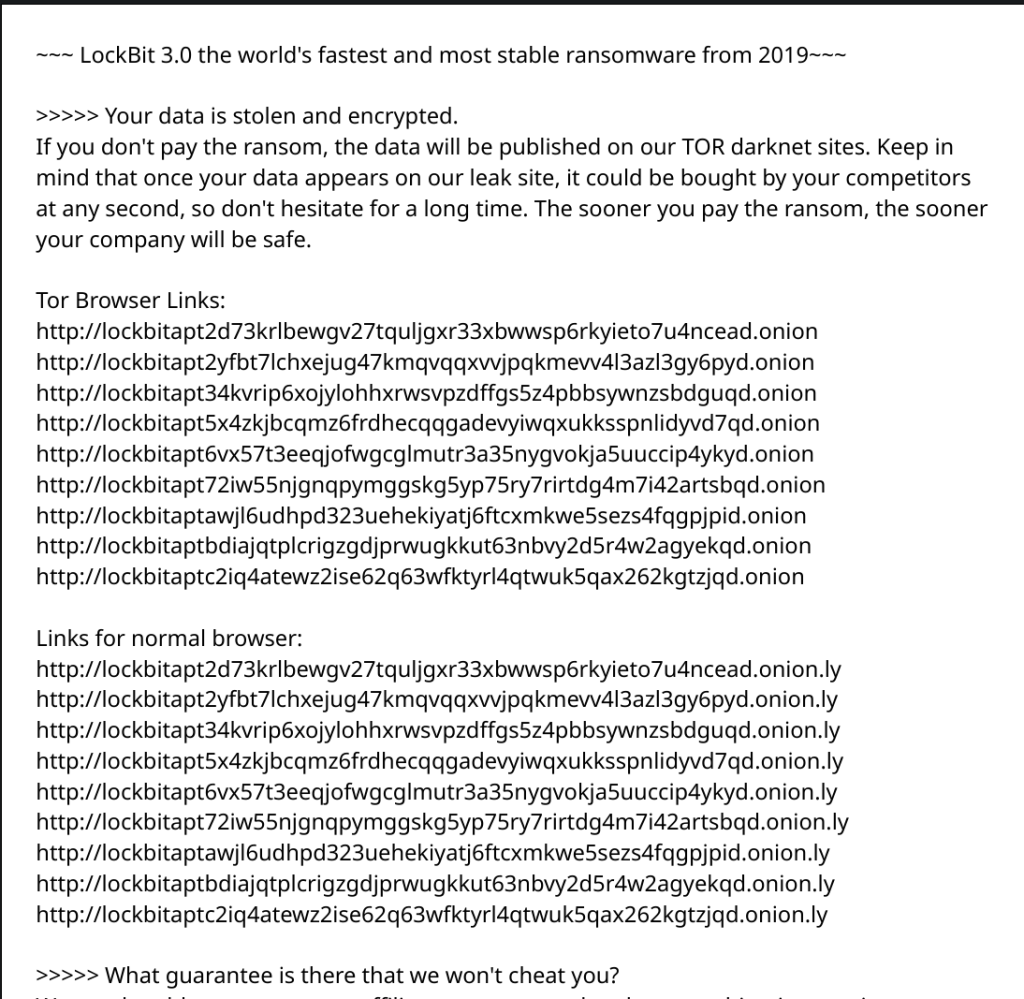
Lockbit Ransomware Note #1: .txt Notice
Ransom note of Lockbit 3.0 2025
Latest Ransom note Lockbit 3.0
Lockbit Black Decryptor For Esxi Servers
LockBit 3.0, a notorious strain of ransomware, poses significant threats to ESXi environments. This article aims to delve into the specific risks associated with LockBit targeting ESXi, protective measures to safeguard your virtualized infrastructure, and recovery strategies in case of an attack.
Key Features and Modus Operandi:
ESXi Targeting: LockBit 3.0 for ESXi specifically targets VMware’s ESXi hypervisor, exploiting vulnerabilities to gain access and encrypt virtual machines and their associated files.
Encryption: It utilizes advanced encryption methods, often RSA or AES algorithms, to lock ESXi-hosted virtual machines, rendering them unusable until a ransom is paid.
Extortion: Following encryption, the attackers demand a ransom in cryptocurrencies, threatening to delete the decryption keys if payment isn’t made within a specified timeframe.
Risks and Impact on ESXi Environments: LockBit 3.0’s attack on ESXi environments can paralyze critical operations within organizations relying on virtualized infrastructures. The impact extends beyond individual machines, potentially disrupting entire networks and services, causing severe financial losses and operational downtime.
Protection Strategies for ESXi Against LockBit 3.0:
Regular Updates and Patches: Keep ESXi hypervisors and associated software updated with the latest security patches to close known vulnerabilities.
Strong Access Controls: Implement robust access controls and authentication mechanisms to prevent unauthorized access to ESXi environments.
Network Segmentation: Segment networks hosting ESXi servers to contain and limit the spread of any potential ransomware attack.
Backup and Disaster Recovery: Maintain regular, encrypted backups of ESXi virtual machines and associated data in separate, secure locations.
Recovering from LockBit 3.0 Attack on ESXi:
Isolation: Immediately isolate affected ESXi servers to prevent further encryption and damage to other virtual machines.
Professional Assistance: Engage cybersecurity experts to assess the extent of the attack and identify recovery options, including potential decryption tools or techniques.
Restoration from Backups: Utilize secure backups to restore encrypted virtual machines and data, ensuring minimal data loss and business continuity.
Conclusion: LockBit 3.0 targeting ESXi environments poses a grave threat to the stability and security of virtualized infrastructures. Implementing stringent security measures, regular backups, and a well-defined recovery plan are essential in mitigating and recovering from such ransomware attacks.
Understanding LockBit 3.0 for Windows Servers: LockBit 3.0 is a variant of ransomware that specializes in infiltrating Windows-based servers. It employs sophisticated techniques to encrypt critical data stored on these servers, holding it hostage until a ransom is paid.
Key Features and Modus Operandi:
Targeting Windows Servers: LockBit 3.0 specifically focuses on exploiting vulnerabilities in Windows server environments, aiming to encrypt sensitive files and databases.
Encryption: Utilizing potent encryption algorithms such as AES and RSA, it encrypts server data, rendering it inaccessible without the decryption key.
Ransom Demand: Once the encryption process is complete, it prompts victims to pay a ransom, typically in cryptocurrencies, in exchange for the decryption key.
Risks and Impact on Windows Servers: LockBit 3.0’s attack on Windows servers can have dire consequences, causing significant disruption to business operations. The potential loss of critical data and operational downtime can lead to severe financial ramifications and reputational damage.
Protective Measures for Windows Servers Against LockBit 3.0:
Regular Patching: Ensure Windows servers are regularly updated with the latest security patches to mitigate known vulnerabilities.
Endpoint Security: Employ robust endpoint security solutions to detect and prevent ransomware attacks targeting servers.
Access Control and Monitoring: Implement stringent access controls and monitor server activities to detect suspicious behavior promptly.
Data Backups: Maintain regular, encrypted backups of critical server data stored in secure, off-site locations to facilitate restoration without succumbing to ransom demands.
Recovery Strategies from LockBit 3.0 Attack on Windows Servers:
Isolation: Immediately isolate infected servers to prevent further encryption and limit the spread of the ransomware across the network.
Expert Assistance: Engage cybersecurity professionals to assess the impact and explore potential decryption methods or tools.
Restoration from Backups: Utilize secure backups to restore encrypted server data, enabling the recovery of affected systems while minimizing data loss and operational downtime.
Conclusion: LockBit 3.0’s focus on targeting Windows servers underscores the critical need for robust security measures and preparedness against evolving ransomware threats. Proactive defense, regular updates, backups, and a well-defined recovery strategy are imperative to safeguarding Windows server environments.
How Does Lockbit Black 3.0 Attack on Windows, Esxi and RDPs?
LockBit 3.0, a sophisticated strain of ransomware, employs various tactics to infiltrate and compromise different systems like Windows, ESXi, and RDP connections.
Windows Systems:
Exploiting Vulnerabilities: LockBit 3.0 targets vulnerabilities in Windows operating systems, often exploiting security loopholes or weaknesses in software and services. It might use methods like phishing emails with malicious attachments or links, software vulnerabilities, or brute force attacks against weak passwords to gain access to Windows systems.
Advanced Encryption: Once it infiltrates a Windows system, LockBit 3.0 uses advanced encryption algorithms like AES or RSA to encrypt files, making them inaccessible to users. This encryption process is often swift and thorough, affecting critical files and system resources.
ESXi (VMware):
Exploiting ESXi Vulnerabilities: LockBit 3.0 specifically targets vulnerabilities within VMware’s ESXi hypervisor. It might exploit security weaknesses in ESXi, potentially gaining access through vulnerabilities in outdated software versions, misconfigurations, or exposed services.
Encrypted VMs: Upon compromising the ESXi server, LockBit 3.0 encrypts virtual machines (VMs) hosted on the ESXi infrastructure. This encryption directly impacts the functionality of these VMs, rendering them unusable until the ransom is paid or recovery methods are applied.
Remote Desktop Protocol (RDP):
Exploiting RDP Weaknesses: LockBit 3.0 takes advantage of weaknesses in RDP, a protocol used for remote access to Windows systems. It might target systems with exposed RDP ports, weak or default passwords, or unpatched RDP vulnerabilities.
Encryption of Accessible Data: Once access is gained through compromised RDP connections, LockBit 3.0 encrypts files and data accessible via these connections. This could include critical business data, documents, or system resources, causing disruptions and data loss.
In all cases, LockBit 3.0 aims to encrypt sensitive data within these systems or infrastructures and demands a ransom in exchange for a decryption key. The methods of attack might vary slightly depending on the specific vulnerabilities or weaknesses it can exploit in each system, but the primary goal remains consistent: to encrypt data and extort victims for financial gain.
Frequently Asked Questions
Lockbit is a relatively new strain of ransomware, and to the best of our knowledge. Fortunately, our reverse engineering experts has developed the Lockbit Decryptor for this dangerous ransomware. You can look at the video for demonstration of our professional decryptor.
The only way to know precisely how much ransomware response will cost is to contact us for a free consultation.
The cost of our decryption tool will depend on the number of files and data. It also depends on the number of infected systems.
The average cost of Lockbit 3.0 recovery is 5000-10000 dollars.
Affordable and Easy to Use.
Simple User-Interface.
100% Refund Guarantee.
99.9% Complete Recovery.
Live Support.
Backup, Backup, Backup! In most cases, a fresh and secure backup of data can prevent ransomware attack from succeeding. For this reason, many attackers put in a lot of effort to find and encrypt backups. The best backup will be air-gapped, meaning physically disconnected from your main network. It is also important to have a regular backup schedule with robust security procedures.
Install a Next-Gen Antivirus. Next generation anti-virus software combines a classic signature-based antivirus with powerful exploit protection, ransomware protection and endpoint detection and response (EDR). Mcafee, Fireeye, and Sentinel One are all examples of antivirus software with these features.
Install a Next-Gen Firewall. A Next-Gen-Firewall is also called Unified threat management (UTM) firewall. It adds a layer of security at every entry and exit point of your company data communication. It combines classic network security with intrusion detection, intrusion prevention, gateway antivirus, email filtering and many other features.
If you can afford it, having staff or hiring a dedicated service to monitor network traffic can also help to detect unusual activity and prevent ransomware attacks. Ransomware attackers usually do a lot of surveillance on a network before attempting a hack. This “reconnaissance” phase has certain tell-tale signs. If you can catch these early, it’s possible to detect the attacker early and deny them access to the network.
If you get hit by ransomware, a professional Ransomware recovery service can help to identify and patch security gaps.
In emergencies, we can start with the ransomware data recovery immediately. Since our support team operates 24/7, we can reduce your downtime to a minimum by working non-stop to recover your data.
Targeting VMware ESXi servers allows the attacker to encrypt multiple virtual machines at once, each of which possibly contains large amounts of company data. We have developed special Lockbit Decryptor for Esxi Servers to decrypt all files such as vhdx, vmdk, and others.
LockBit 5.0 employs a hybrid encryption model that makes traditional decryption computationally infeasible without the attackers’ private key. However, some cases allow for partial or complete recovery depending on structural irregularities, incomplete encryption, or surviving file metadata. A professional forensic evaluation is required to determine recoverability.
Paying the ransom is strongly discouraged. Many ransomware operators fail to provide working decryptors even after payment, and data may still be leaked despite compliance. Paying also increases long-term targeting risk and may raise legal or regulatory complications depending on the jurisdiction.
Recovery timelines vary significantly. Smaller datasets may be restored within days, while large environments involving databases, RAID arrays, or virtual machine repositories may require weeks. Initial diagnostics typically occur within hours and provide the most accurate estimation of the recovery timeline.
LockBit attackers most frequently exploit weak RDP configurations, phishing emails, compromised VPN appliances, or credentials stolen through infostealer malware. Once they gain access, they escalate privileges, move laterally, and prepare the environment for encryption by disabling backups and security tools.
LockBit 5.0 operators routinely publish stolen data when victims do not respond. Ignoring the ransom note can lead to severe regulatory, operational, and reputational consequences. However, victims should not rush to negotiate; instead, they should work with experts who can advise on safe containment and recovery.
Law enforcement agencies cannot decrypt LockBit-encrypted data. Their role is investigative, focusing on tracking threat actors, identifying victims, and supporting legal or regulatory processes. Decryption and restoration require specialized technical recovery services.
Our recovery system operates in a fully isolated cloud environment, ensuring that compromised systems cannot interfere with or damage the reconstruction process. Each restored file undergoes structural validation, and we rely on detailed insights from LockBit’s encryption workflows rather than generic tools or guesswork. This ensures a safe, reliable, and technically sound recovery process.
Contact Us To Purchase The LockBit 5.0 Decryptor Tool