LockBit 5.0 Ransomware Returns: Group Reactivates Dark-Web Site and Publishes Dozens of New Victims
Date: 6 December 2025
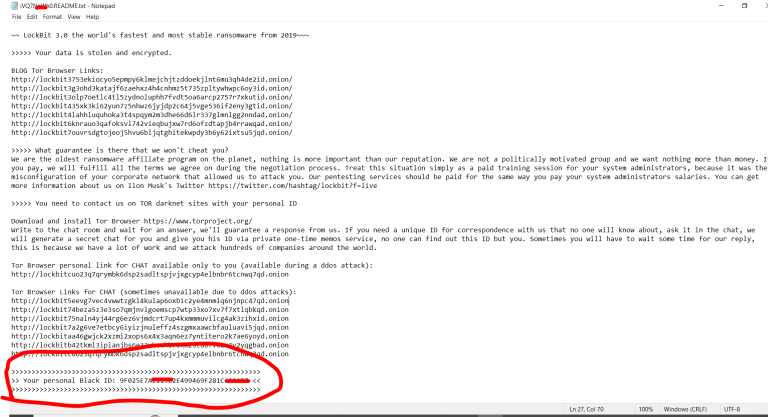
The LockBit ransomware syndicate has officially resurfaced after months of relative silence, launching what appears to be its largest comeback since the international takedown of its infrastructure in early 2024. The group has restored its dark-web presence and introduced LockBit 5.0, the latest and most advanced version of its ransomware platform.
On 5 December 2025, LockBit reactivated its data-leak site—now accessible through the address:
http://lockbitapt67g6rwzjbcxnww5efpg4qok6vpfeth7wx3okj52ks4wtad.onion/
Within hours of going live, the group published a significant number of new victims, signaling that LockBit is not only back online but actively conducting fresh attacks across multiple continents.

A Coordinated Comeback After Global Disruption
Law-enforcement agencies from the U.S., U.K., and Europe dismantled the majority of LockBit’s known infrastructure during Operation Cronos in 2024. Servers and cryptocurrency wallets were seized, decryption keys were released, and affiliates were exposed. Many analysts believed the operation had permanently weakened or fragmented the LockBit collective.
However, the re-emergence of LockBit 5.0 shows that the operation’s core leadership—particularly the individual known as LockBitSupp—has managed to reconstitute operations, rebuild infrastructure, and resume its ransomware-as-a-service (RaaS) model on an international scale.
Features of LockBit 5.0: A More Potent Threat
Security analysts describe LockBit 5.0 as the most capable version the group has ever deployed. The new strain reportedly includes:
- Full cross-platform support, targeting Windows, Linux, and VMware ESXi environments.
- Enhanced obfuscation and evasion, significantly complicating forensic analysis.
- Highly optimized encryption routines, capable of rapidly locking large enterprise networks.
- Randomized 16-character file extensions, reducing pattern recognition and slowing response efforts.
- Improved affiliate toolkit, refined for streamlined intrusion and faster data exfiltration.
Experts warn that the ability to disrupt both standard operating systems and virtualized server infrastructures dramatically increases the scale of potential impact.
Fresh Wave of Victim Listings
Dozens of organizations were uploaded to the new LockBit 5.0 leak portal on December 5th alone, indicating that the group has been active behind the scenes for weeks or even months. The victims appear to span multiple industries, including:
- Healthcare
- Finance
- Logistics and transportation
- Government services
- Manufacturing and industrial sectors
The diversity of affected sectors suggests that LockBit has reactivated its affiliate recruitment and is again operating at a global scale, similar to its peak in 2022–2023.
Global Organizations Warned to Heighten Defenses
Cybersecurity agencies worldwide are issuing renewed alerts as LockBit 5.0 begins to spread. With its enhanced stealth features and cross-platform targeting capabilities, the new version poses a significant threat to corporate, government, and critical-infrastructure networks.
Recommended actions include:
- Immediate review of patch management and vulnerability exposures
- Strengthened network segmentation
- Offline, immutable backup procedures
- Monitoring for unusual lateral movement
- Enhanced protection for ESXi and Linux-based servers
Experts also caution that LockBit’s return may encourage other dormant or weakened ransomware groups to re-emerge or partner with LockBit affiliates.
LockBit is Back—and More Dangerous Than Ever
LockBit’s revival marks one of the most significant developments in the ransomware landscape in 2025. The release of LockBit 5.0, combined with the sudden publication of numerous victims, confirms that the group has regained operational capabilities and is once again targeting organizations worldwide.
This resurgence represents a major escalation in global cybercrime activity and signals that the ransomware threat ecosystem remains as volatile—and as resilient—as ever.