The XEX Ransomware Threat: A Definitive 2025 Guide to Recovery and Resilience
A new and insidious ransomware variant known as XEX has been identified by security researchers analyzing submissions on VirusTotal. This malware distinguishes itself through a combination of sophisticated psychological tactics and a destructive encryption process. Unlike many ransomware strains that visibly alter filenames by adding an extension, XEX encrypts files in place, leaving their names unchanged, which can delay detection and cause confusion. Its most alarming feature, however, is the ransom note.
Instead of a simple demand for payment, XEX presents itself as a wiper malware, claiming to have corrupted the system’s core hardware and firmware, including the Master Boot Record (MBR), UEFI/BIOS, and even the SSD controller. It issues a dire warning that restarting the computer will trigger permanent, physical destruction of the storage device. This guide provides a comprehensive, step-by-step playbook for understanding the XEX threat, containing the infection, and exploring every viable pathway to recover your data without succumbing to the attackers’ high-stakes extortion.
Related article: The Frenesis Nexus Ransomware Recovery and Decryption Guide
Threat Summary Table
| Attribute | Detail |
|---|---|
| Threat Name | XEX |
| Threat Type | Ransomware, Crypto Virus, Files Locker |
| Encrypted Files Extension | No extension; filenames remain unchanged. |
| Ransom Demanding Message | XEX_README.txt |
| Free Decryptor Available? | No |
| Ransom Amount | 100 XMR (Monero cryptocurrency) |
| Cyber Criminal Cryptowallet | 0xf2beA28a02912F7Edff44e217000e7EEDae05a2B (Monero) |
| Cyber Criminal Contact | cotihapspi1974 (Discord) |
| Detection Names | Avast (Win64:Malware-gen), ESET-NOD32 (Generik.GCHGUDM Trojan), Kaspersky (Trojan.Win32.Diztakun.chni), Microsoft (Trojan: Win32/MereTam!rfn) |
Also read: DEVMAN 21 Ransomware: The Ultimate 2025 Recovery and Decryption Guide
Decoding the Threat: The XEX Ransom Note
The ransomware’s primary communication tool is a text file named XEX_README.txt. The note is designed to induce maximum panic and force a quick, irrational decision by presenting the infection as a catastrophic hardware failure rather than a reversible software encryption.
XEX_README.txt
XEX RANSOMWARE | RECODED
YOUR OPERATING SYSTEM HAS SUSTAINED IRREVERSIBLE BOOT-SECTOR CORRUPTION
MASTER BOOT RECORD ENCRYPTED WITH MILITARY-GRADE AES-512
HARDWARE FIRMWARE COMPROMISED (UEFI/BIOS)
SSD CONTROLLER LOCKED AT HARDWARE LEVEL
## **IMMINENT DATA DESTRUCTION WARNING**
RESTARTING WILL TRIGGER:
PERMANENT SSD BRICKING via Factory Self-Destruct
PHYSICAL DAMAGE to storage controllers
IRREVERSIBLE FIRMWARE CORRUPTION
COMPLETE DATA WIPING (DoD 5220.22-M standard)
Payment: 100.0 XMR to 0xf2beA28a02912F7Edff44e217000e7EEDae05a2B
Contact: Discord(cotihapspi1974)
**SYSTEM PRESERVATION STATUS: ACTIVE**
DO NOT POWER OFF OR RESTART – CURRENT SESSION MAINTAINS STABILITY
Indicators of Compromise (IOCs) and Attack Behavior
Recognizing the subtle signs of a XEX infection is critical. The malware’s attempt to hide its activity makes a thorough investigation essential for accurate identification and response.
Indicators of Compromise (IOCs):
- Inaccessible Files: The primary indicator is that files on the system will not open and appear to be corrupted or garbled. Critically, the filenames and extensions remain exactly as they were (e.g.,
document.docxis still nameddocument.docxbut is unreadable). - Ransom Note File: The presence of a file named
XEX_README.txton the desktop or in root directories of encrypted drives. - Contact Information: The note provides a specific Monero wallet address (
0xf2beA28a02912F7Edff44e217000e7EEDae05a2B) and a Discord user ID (cotihapspi1974) for communication. - High CPU Usage: During the encryption phase, there may be a noticeable spike in CPU or disk activity as the ransomware processes files.
Tactics, Techniques, and Procedures (TTPs) with MITRE ATT&CK Framework:
- Initial Access (TA0001): XEX, like most ransomware, gains entry through common vectors. These include infected email attachments (often with malicious macros), torrent websites, malicious ads, and fraudulent software cracks or keygens.
- Execution (TA0002): Once the user executes the malicious file, the ransomware payload is activated. It begins its encryption routine across the system’s drives.
- Defense Evasion (TA0005): The claim of hardware-level compromise is almost certainly a lie designed to frighten the victim. This is a social engineering tactic. The malware likely operates at the software level but uses these claims to prevent the user from seeking standard IT help or restarting the machine, which would terminate the ransomware process.
- Impact (TA0040): The primary impact is data encryption (T1486), rendering files inaccessible. The note’s claim of using “Military-grade AES-512” indicates a strong encryption standard. The secondary impact is the extreme psychological stress and business disruption caused by the threats of permanent hardware destruction.
Path 1: The Direct Decryption Solution
The most direct path to recovery is using a tool specifically designed to reverse the encryption. While the attackers claim decryption is only possible through them, the security community constantly works to develop free solutions.
Our Specialized XEX Decryptor
Our team has developed a specialized decryptor to counter the XEX threat. By leveraging advanced cryptographic analysis and pattern recognition, our tool can often reconstruct the decryption keys without requiring interaction with the attackers. This is the safest and most immediate option to explore.
Step-by-Step Guide:
- Step 1: Assess the Infection: Confirm that files are inaccessible and unreadable, but their names and extensions have not been changed. Verify the presence of the
XEX_README.txtfile. - Step 2: Secure the Environment: Do not restart the computer as per the ransom note’s instructions, but do so to maintain the current state for analysis. Disconnect the infected device from the network to halt any further potential spread. It is critical to remove the malware from your system first; otherwise, it may repeatedly encrypt files or spread to other devices on the network.
- Step 3: Submit Files for Analysis: Send a few encrypted samples (under 5MB) and the
XEX_README.txtfile to our team. This allows us to confirm the XEX variant and build an accurate recovery timeline. Identifying the specific ransomware strain is essential to prevent further damage from using an incorrect tool. - Step 4: Run the XEX Decryptor: Launch the tool with administrative privileges. The decryptor connects securely to our servers to analyze encryption markers and file headers.
- Step 5: Enter the Victim ID: While the note does not provide a traditional “Victim ID,” any unique string from the note or the file metadata can be used to generate a customized decryption profile tailored to your specific infection.
- Step 6: Automated File Restoration: Once initiated, the decryptor verifies file integrity and restores data automatically without requiring further user interaction.
Also read: How to Remove NOCT Ransomware and Recover .NOCT Encrypted Files?
Public Decryption Tools and Repositories
If our tool is not applicable or you seek a second opinion, several public initiatives are invaluable. Always identify the ransomware strain to determine if decryption is feasible before using any tool. Running the wrong decryptor can cause additional damage to already encrypted files, rendering future recovery attempts impossible.
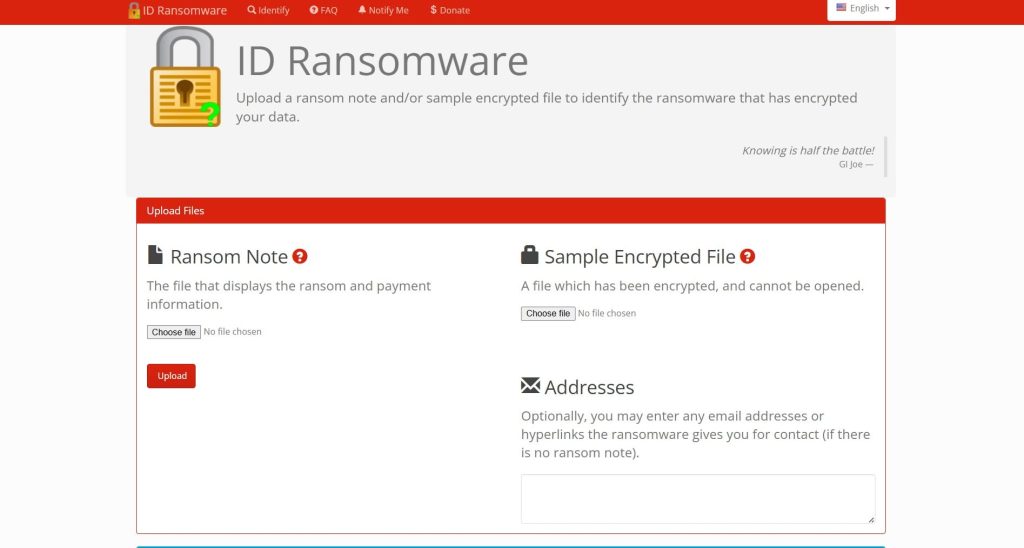
- ID Ransomware Service: Before you download any tool, use the free ID Ransomware service. Simply upload the ransom note and a sample encrypted file. The service will automatically identify the specific ransomware strain and tell you if a known decryptor exists. This is the safest first step to ensure you are looking for the right solution.
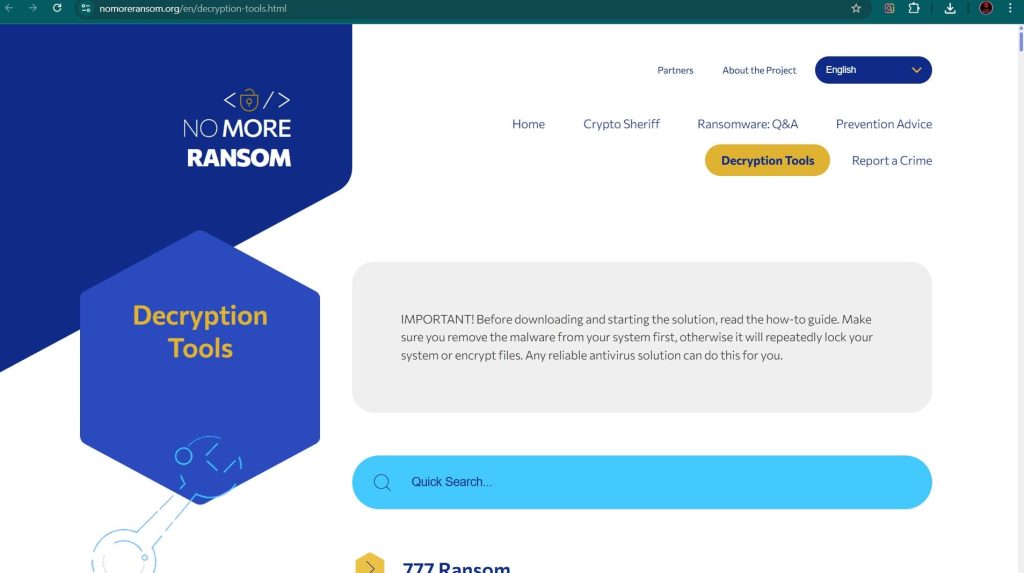
- The No More Ransom Project: This is the most important resource. It provides a centralized repository of free decryption tools. Visit their Decryption Tools page and use the search bar to look for “XEX”. While a specific tool may not yet be public, this site should be your first stop for any ransomware infection. It is also recommended to consult federal law enforcement regarding possible decryptors, as security researchers may have discovered encryption flaws for some ransomware variants and released tools.
- Major Security Vendor Decryptors: Leading antivirus companies frequently develop and release free decryptors.
- Emsisoft: Renowned for its ransomware expertise, Emsisoft offers a variety of decryptors. Check their website for available tools.
- Kaspersky: Through its No Ransom portal, Kaspersky provides the latest decryptors and removal tools, complete with detailed how-to guides.
- Avast: Provides numerous free ransomware decryption tools. Their tools are often praised for being beginner-friendly. Find them on the Avast Ransomware Decryption Tools page.
- Trend Micro: Offers a Ransomware File Decryptor designed to handle files encrypted by numerous families of known ransomware. You can download it from the Trend Micro website.
Path 2: The Gold Standard – Backup Restoration
If a decryptor is unavailable or fails, restoring from a backup is the most reliable and secure recovery method. This is why a robust backup strategy is the single most effective defense against ransomware.
Enterprise-Grade Backups: Veeam
For businesses, Veeam is a market leader in backup and recovery solutions, offering robust protection against ransomware.
- How it Works: Veeam creates image-based backups of your entire system, including virtual machines (VMs), servers, and user files. These backups can be stored on-site, off-site, or in the cloud.
- Ransomware Protection: Veeam has built-in features specifically designed to combat ransomware. It can create immutable backups that cannot be altered or deleted by the ransomware. It also integrates with leading storage solutions to ensure your recovery points are secure. A specialized recovery process, like Veeam’s Cleanroom Recovery, enables secure retrieval of critical data in an isolated environment to prevent reinfection.
- Recovery Process: In the event of a XEX attack, you can use Veeam to perform a full restore of your systems to a point in time before the infection occurred. This process can be rapid, minimizing downtime. Learn more at the official Veeam website.
Cloud and Native Backups
- Microsoft OneDrive: If you use OneDrive, you may be able to restore your files using its Version History feature. If ransomware has encrypted your files, you can restore previous, unencrypted versions. Microsoft 365 also has a ransomware detection and recovery feature that can help you restore your entire OneDrive to a previous state. This is a powerful feature for individual users and small businesses.
- Windows File Versions (Shadow Copies): XEX likely attempts to delete these, but sometimes remnants remain. To check, right-click on an encrypted file, select
Properties, and go to thePrevious Versionstab. If any shadow copies survived, you can restore them from there.
Path 3: Last Resort – Data Recovery Software
This method has a low probability of success with modern ransomware but can be a lifeline if no backups exist and no decryptor is available. These tools work by searching for file remnants that have not yet been overwritten. Since ransomware encrypts files in place (overwriting the original data), the chances are slim, but not zero.
- EaseUS Data Recovery Wizard: A very popular and user-friendly tool that can recover lost, deleted, or formatted data from hard drives, memory cards, and other storage devices. It offers a deep scan mode that can sometimes find traces of original files. You can download it from the EaseUS website.
- Stellar Data Recovery: Another top-tier recovery application known for its powerful scanning capabilities and support for a wide range of file types and storage media. Stellar can also create a bootable recovery drive, which is useful if your operating system won’t start. Find it at the Stellar Data Recovery official site.
- Recuva: Developed by CCleaner, Recuva is a free and effective tool for recovering deleted files. While less powerful than its paid counterparts, it’s a great first option to try. It supports over a thousand data types and is very intuitive. Download it from CCleaner’s official site.
Important Procedure: For the best chance of success, install the data recovery software on a separate, clean computer. Then, connect the infected hard drive to it as an external drive. Never install software on the infected drive itself, as this can overwrite the very data you are trying to save.
Path 4: System Repair and Diagnostics
The XEX ransomware note is designed to make you afraid to touch your computer. However, to perform any recovery, you must first eradicate the malware and regain control of your system.
Hiren’s BootCD PE
Hiren’s BootCD is a legendary tool for IT professionals. The modern “PE” (Preinstallation Environment) version is a bootable Windows PE that contains a suite of useful tools for system recovery and repair.
- How it Works: You boot your computer from a USB drive or CD containing Hiren’s BootCD. This loads a mini Windows environment that runs entirely from the bootable media, bypassing your infected hard drive.
- Useful Tools: It includes a web browser (to research solutions or download tools), file managers (to access and move files), and tools for resetting Windows passwords, checking the hard drive for errors, and removing malware. It is an invaluable utility for gaining control of a compromised system. You can download it from the official Hiren’s BootCD website.
Essential Incident Response and Prevention
Recovery is only one part of the process. A full response includes containment, eradication, and future prevention.
Containment and Eradication
- Isolate the Infected System: Immediately disconnect the machine from the network by unplugging the Ethernet cable or disabling Wi-Fi. This is the most critical first step to prevent the ransomware from spreading to other computers or network-attached storage.
- Remove the Malware: After isolating the system, use a reputable antivirus or anti-malware program to scan for and remove the ransomware executable. This is critical to prevent re-encryption after recovery. The FBI and cybersecurity experts universally advise against payment because there is no guarantee of data recovery, and it funds future criminal operations. Instead, invest in prevention and backup solutions.
- Change All Passwords: Assume that credentials have been compromised and change passwords for all user accounts, especially administrators, and for any network services or cloud accounts.
Hardening Your Defenses with Modern Protection
The traditional “antivirus and firewall” model is no longer sufficient. Modern ransomware requires a multi-layered defense strategy.
- Endpoint Protection Platforms (EPP/EDR): Solutions like SentinelOne Singularity™ Endpoint and CrowdStrike Falcon focus on preventing ransomware from establishing any foothold by identifying and neutralizing threats using behavioral AI and machine-speed response. They are far more effective than traditional antivirus software at stopping zero-day ransomware attacks.
- Integrated Cyber Protection: Tools like Acronis Cyber Protect combine a traditional antivirus with integrated backup and recovery. This dual-purpose tool ensures that even if an attack is successful, you can quickly restore your files from a clean backup, making it an excellent choice for small businesses.
- The 3-2-1 Backup Rule: Maintain at least three copies of your data, on two different types of media, with one copy stored off-site or in the cloud. Test your backups regularly to ensure they can be restored successfully.
- Employee Training: Conduct regular security awareness training to teach staff how to spot phishing emails and malicious links.
- Network Segmentation: Segment your network to contain breaches and prevent lateral movement.
Conclusion: Building Resilience in the Face of Deception
The XEX ransomware represents a sophisticated evolution in psychological warfare employed by cybercriminals. Its deceptive claims of hardware-level destruction are a powerful tool for manipulation, but they are ultimately a bluff designed to exploit fear. The reality is that XEX is a software-based encryption threat, and like all such threats, it can be defeated with a calm, methodical, and prepared response.
The path to resilience begins long before an attack occurs. Investing in a multi-layered security posture that combines advanced endpoint protection, robust network security, and a disciplined 3-2-1 backup strategy is the most effective defense.
When an incident does occur, the immediate response should be to isolate the system, eradicate the malware, and then systematically explore recovery options—starting with specialized decryptors and falling back to secure backups. Paying the ransom only fuels the criminal ecosystem and offers no guarantee of a positive outcome. By understanding the tactics of threats like XEX and preparing accordingly, you can transform a potential catastrophe into a manageable incident, ensuring that your data—and your peace of mind—remain secure.
Reporting and Frequently Asked Questions (FAQ)
Reporting Obligations
Report the incident to help combat cybercrime and fulfill potential legal obligations. The ransom note’s instruction not to contact authorities is a self-serving tactic designed to protect the criminals.
- Report to Law Enforcement: In the US, file a complaint with the FBI’s IC3. In the UK, report to Action Fraud.
- Report to CISA: The U.S. Cybersecurity & Infrastructure Security Agency (CISA) urges reporting via its portal.
Frequently Asked Questions
Contact Us To Purchase The XEX Decryptor Tool


2 Comments